
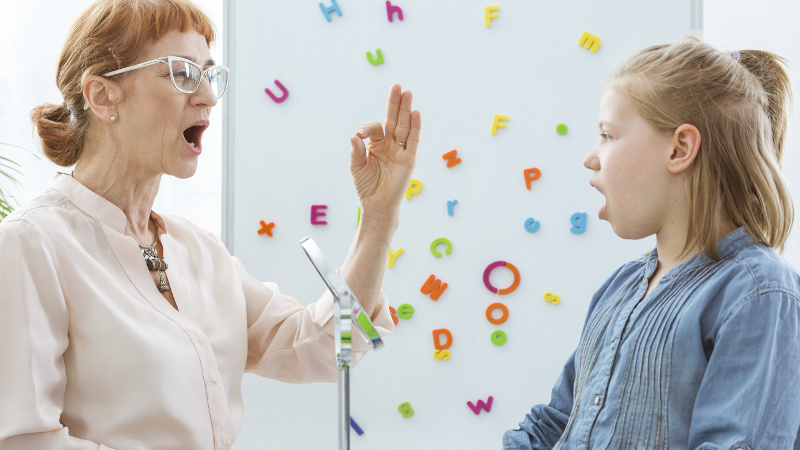
Language Impairment
Developmental Language Disorder (DLD)
DLD is where the normal pattern of language development is not being followed. This is much less common than language delay and requires intensive, specialist therapy over time. Ideally, DLD will be dealt with by specially organised units within the education system, as all aspects of learning will be affected. DLD is unlikely to improve without intervention.
At Time to Talk Speech Therapy we can offer autism assessment of the problem with therapy or back- up sessions to support the HSE Therapy.
How do I know if my child has a speech or language disorder?
Best way is to book an assessment rather than try to self-diagnose. At Time to Talk SLT, this involves a parent interview, observation of your child at play, informal play-based assessment, and often formal testing too. From there, you get feedback on exactly what your child’s difficulties are, how their communication compares to developmental norms, and whether therapy would help — plus strategies to start using at home right away.
That said, some signs worth watching for: a 2-year-old not yet putting words together, speech that’s hard to understand, or an older child struggling with reading or keeping up in class. Language difficulties can stem from several different causes — delay, developmental language disorder, learning difficulties, or autism, among others — so a proper assessment is really the only way to know which one you’re dealing with.
What's the difference between a speech delay and a language disorder?
Speech is about the individual sounds a child produces — a **speech delay/disorder** means they’re hard to understand or mix up sounds. Language is about the words a person can use and understand — a **language disorder** means real trouble understanding or using language itself, not just pronouncing it. As the site puts it, when they talk about “language,” they mean the words a person can use and understand, as opposed to individual sounds. A child can have one, both, or neither, and the causes behind each differ, so an assessment sorts out which is going on.
When should I be concerned about my child's speech development?
You should be concerned if your 2-year-old isn’t yet putting words together, or if an older child (around age 8) is struggling with reading or responding in class. Speech that’s hard to understand due to sound substitutions is also worth flagging, especially if it’s causing teasing from peers. Since early signs of autism often appear as developmental delays before age 3, any noticeable delay is worth having assessed rather than waiting it out.